What Is Soft Washing and When Should You Use It?

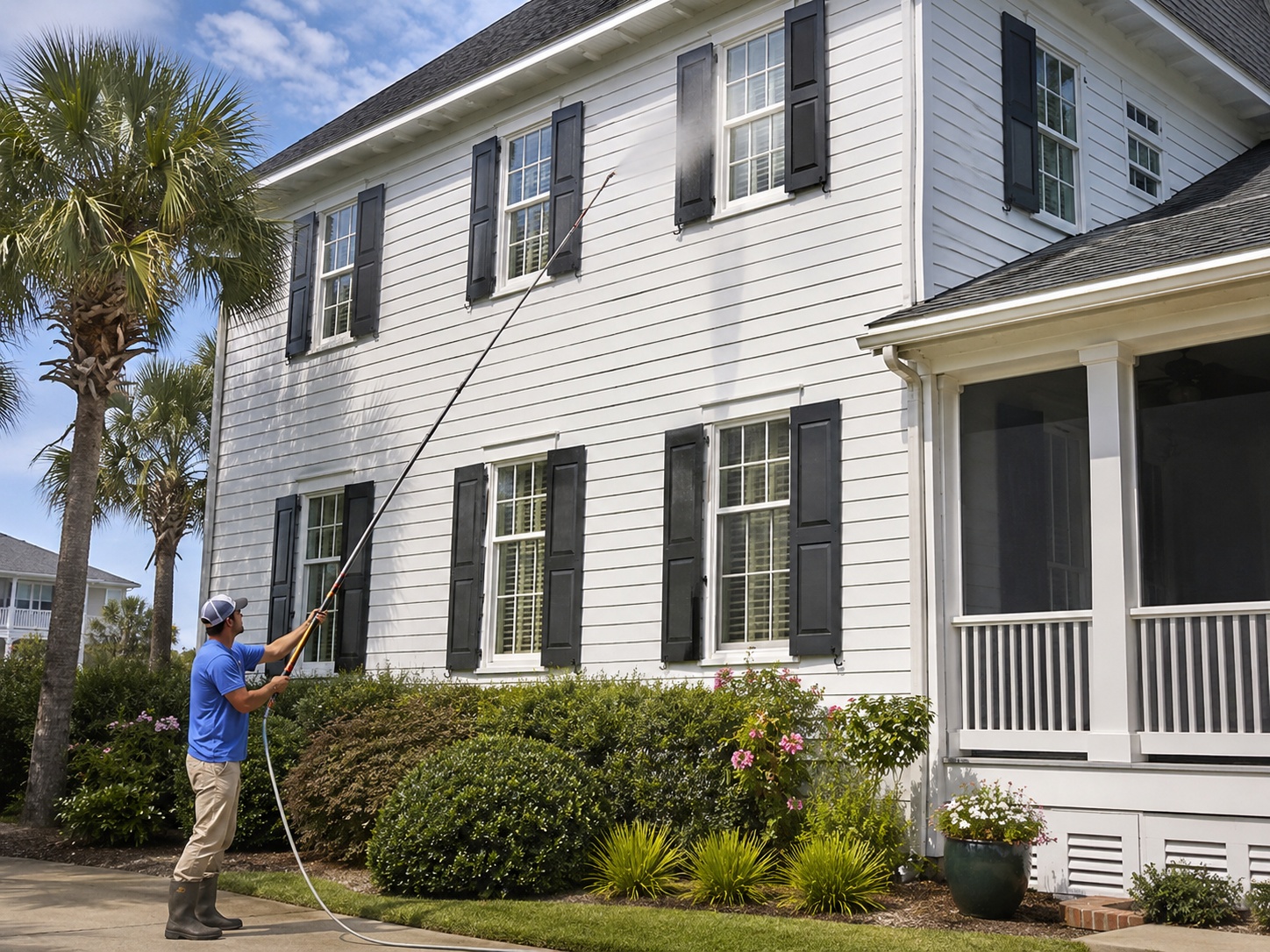
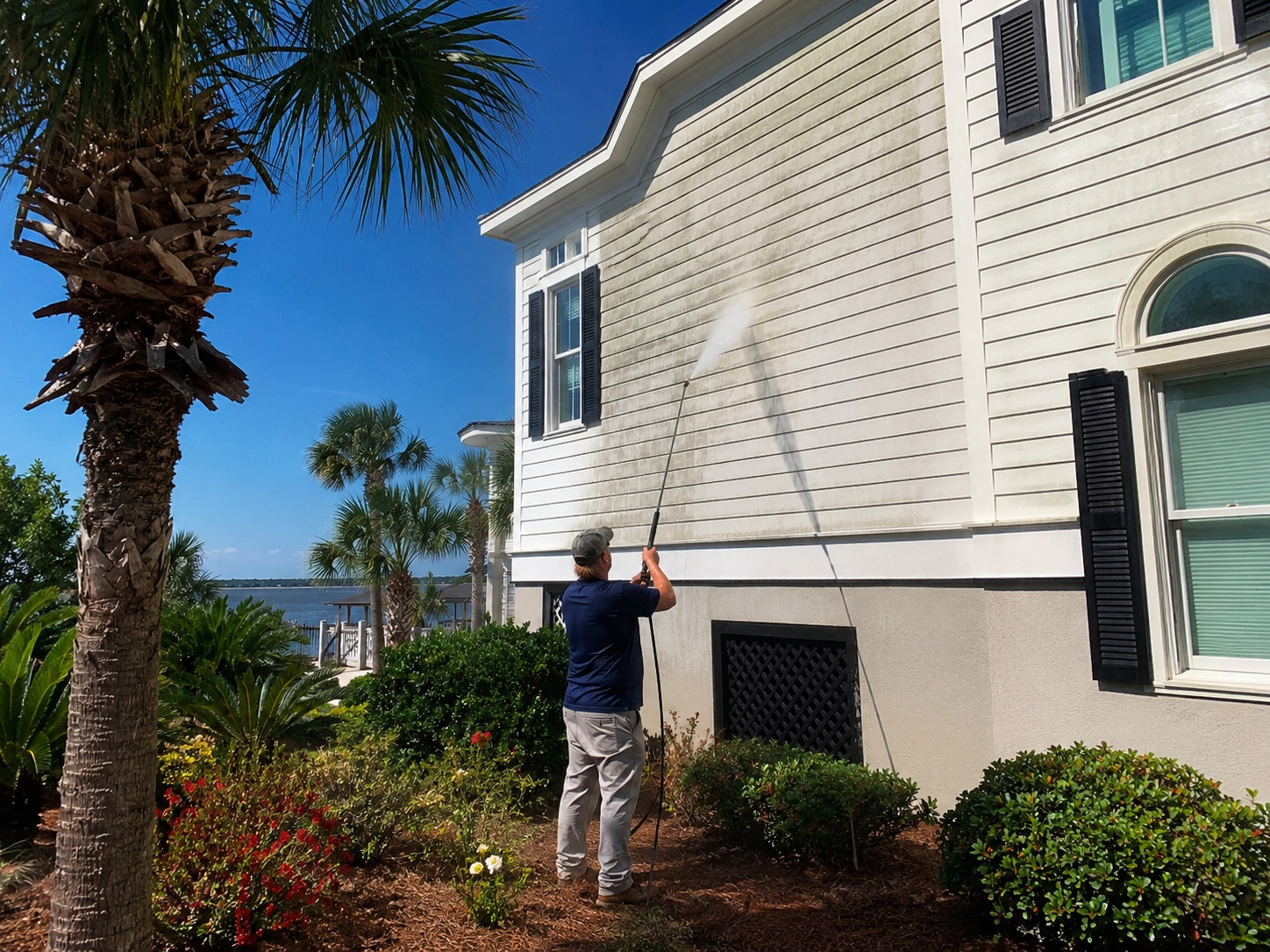
Technician soft washing house siding with an extension wand from a distance

If you’ve been researching exterior cleaning, you’ve probably run into the term “soft washing” and wondered how it’s different from regular pressure washing — or whether it even matters. It does. The two methods use different amounts of force for different reasons, and picking the wrong one on the wrong surface can actually cause damage instead of preventing it.

Quick Answer

Soft washing uses lower water pressure, usually combined with a cleaning solution, to remove algae, mildew, and organic growth without the force of traditional pressure washing. It’s often a better fit for siding, painted surfaces, and other materials that could be damaged by high pressure.

What Is Soft Washing?

Soft washing is a lower-pressure cleaning method that relies on a cleaning solution to break down algae, mildew, mold, and organic buildup, rather than relying on high water pressure to physically blast it off. Because it uses less force, it’s generally considered a gentler option for surfaces that weren’t built to handle the pressure a driveway or concrete patio can take.

Pressure Washing vs. Soft Washing

Cleaning Approach Best Used For Why It Matters
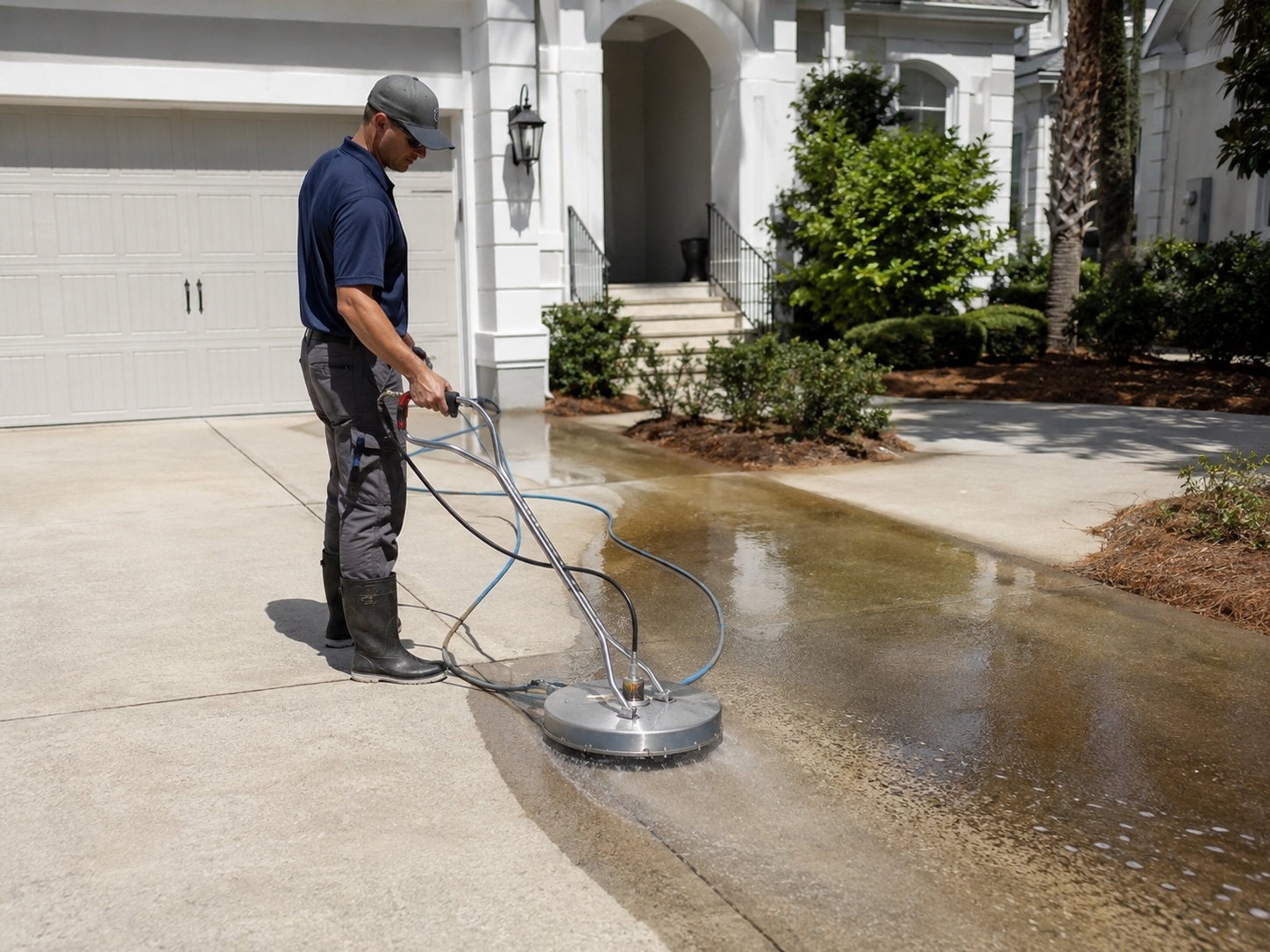
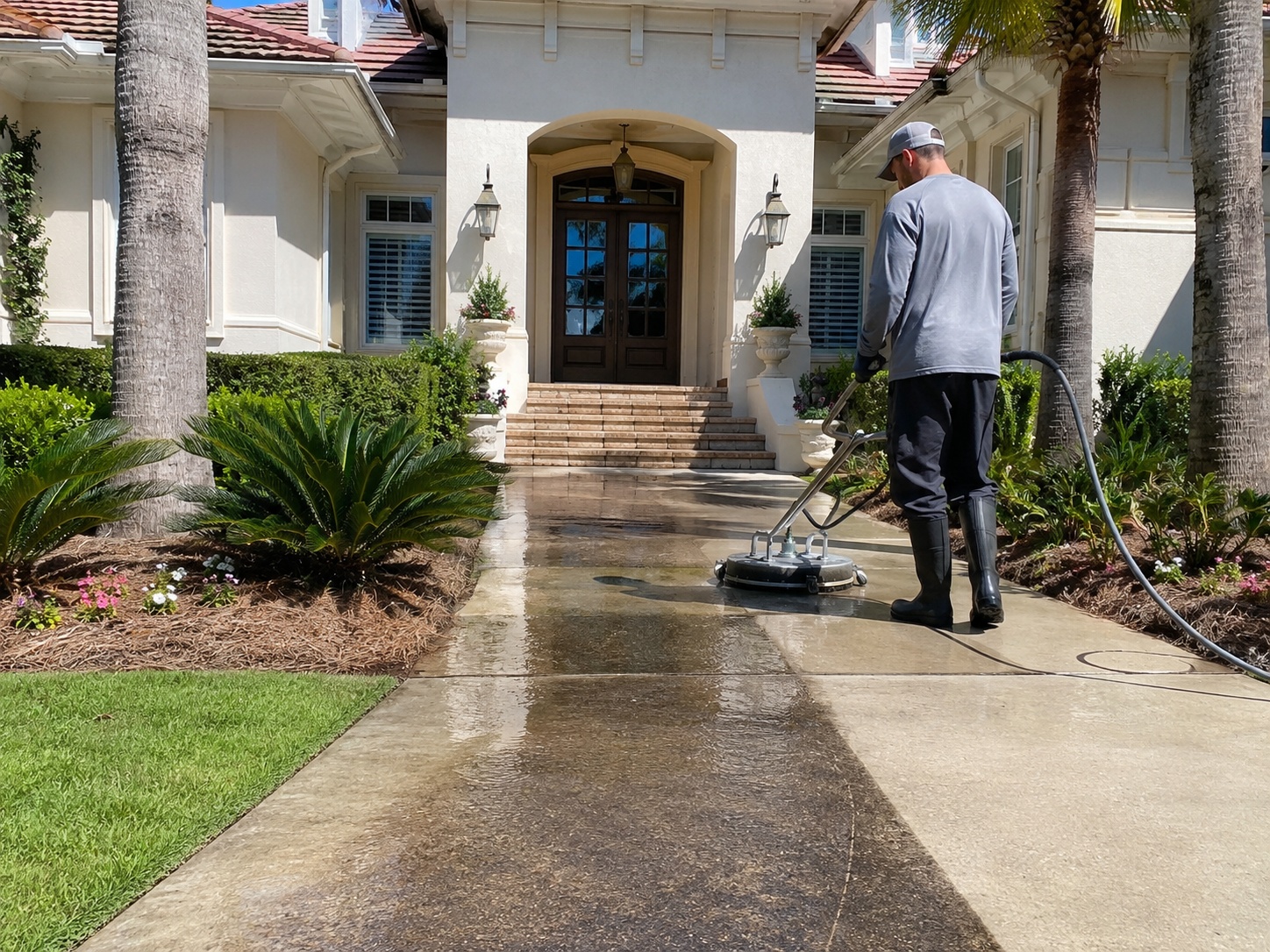
Pressure washing Concrete, driveways, walkways, durable hard surfaces Higher pressure removes heavier dirt, grime, and stains
Soft washing Siding, painted areas, trim, delicate or older materials Lower pressure plus a cleaning solution reduces the risk of physical damage
Surface-specific approach Mixed exterior areas Matching the method to the material matters more than using maximum pressure everywhere

When Soft Washing May Be the Better Choice

Soft washing tends to make more sense on surfaces that are more easily damaged by force. That commonly includes house siding, painted surfaces and trim, older or more delicate materials, and areas with heavier organic buildup like algae or mildew growth in shaded spots. On these surfaces, high pressure can strip paint, force water behind siding, or wear down material that wasn’t designed to take direct high-pressure contact.

A Word of Caution

There’s no single right answer for every property. The correct method — and the correct pressure level — depends on the surface, its condition, and the type of buildup involved. A surface that looks similar to another one may still need a different approach depending on age, material, and how it was originally installed or painted. This is exactly why a one-size-fits-all approach doesn’t work well for exterior cleaning.

What to Expect From the Process

In general, a soft wash application involves applying a cleaning solution to the surface, allowing it time to work on algae, mildew, or organic growth, and then rinsing at a lower pressure than a typical driveway cleaning would use. The exact approach depends on the surface and the extent of the buildup involved.

Not Sure Which Method Your Home Needs?

You don’t have to figure that out on your own. Send us a few photos through our online quote form and we’ll help you understand what approach fits your property — no phone call required.

Curious how this applies where you live? See our Myrtle Beach pressure washing page or our Conway, SC pressure washing page. You can also read more about how often a house typically needs cleaning. Have a question first? Just reach out.

Frequently Asked Questions

Is soft washing safe for all siding types?

Most siding types can be soft washed safely, but the right chemical concentration and dwell time still depend on the specific material and its condition. When in doubt, a surface-aware assessment is worth requesting before cleaning.

Does soft washing get surfaces as clean as pressure washing?

For the buildup it’s designed to address — algae, mildew, and organic growth — soft washing is generally very effective. It’s simply a different tool for a different type of buildup, not a weaker version of pressure washing.