Can You Pressure Wash a Fence Without Damaging It?

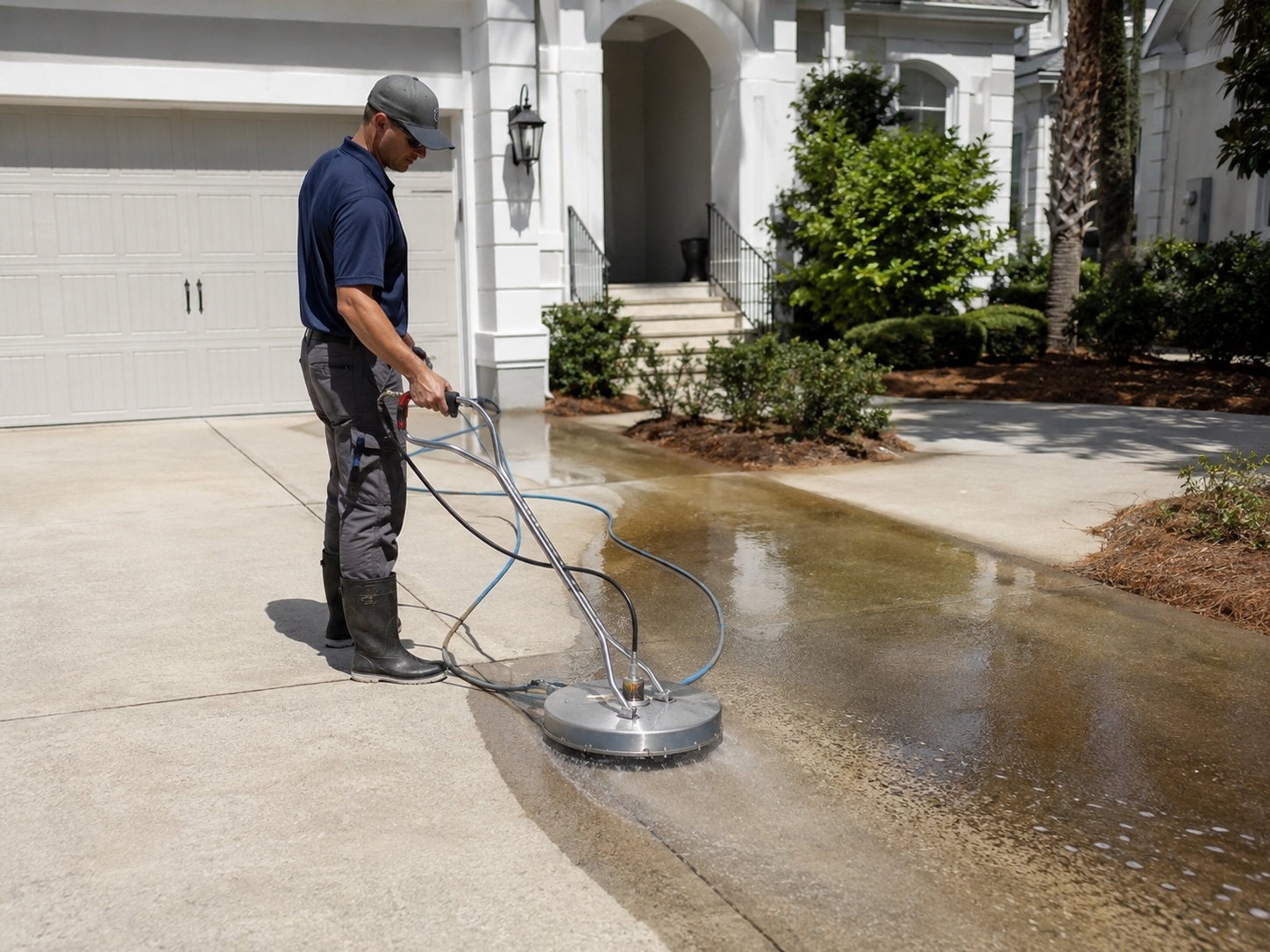
Technician pressure washing an exterior entry walkway near a home

A dirty, algae-streaked fence can drag down a whole yard’s curb appeal — but fences are also one of the surfaces homeowners worry most about damaging. It’s a fair concern. Whether pressure washing is safe for your fence really does depend on a handful of specific factors, not a simple yes-or-no answer.

Quick Answer

Yes, most fences can be pressure washed — but the safe approach depends on the fence material, its age and condition, the pressure level used, how close the nozzle gets to the surface, and the cleaning method overall. Wood, vinyl, painted, and older or weathered fences all respond differently.

Signs Your Fence May Need Cleaning

Homeowner Checklist

  • Green or black streaks, especially in shaded sections
  • A gray, dingy look compared to when the fence was installed or last cleaned
  • Visible dirt or grime buildup in wood grain or panel seams
  • Mildew smell near or around the fence line
  • Peeling or flaking paint or stain that may need attention before cleaning

Wood, Vinyl, Painted, and Older Fences: Not the Same Job

Wood fences can generally handle moderate pressure, but grain direction, existing stain or sealant, and overall wood condition all affect how much pressure is actually safe. Vinyl fencing is typically more pressure-tolerant than wood, though seams and joints still deserve a careful approach. Painted fences need extra caution, since high pressure at close range can strip or chip paint. Older or weathered fences — regardless of material — are usually the most sensitive, since age can make wood more porous and joints more fragile.

When Too Much Pressure Can Cause Damage

Pressure washing a fence incorrectly can force water into wood grain or seams, strip paint or stain, splinter aging wood, or loosen boards and fasteners that have already weathered over time. This is usually a combination of using too much pressure, holding the nozzle too close to the surface, or using the wrong tip or technique for the material — not something that happens with a properly matched approach.

Before You Clean: A Few Things Worth Checking

Before-You-Clean Tips

  • Note any loose boards, nails, or fasteners before cleaning begins
  • Check for peeling paint or stain that may come off during cleaning regardless of pressure
  • Look for cracked or split wood sections that may need repair first
  • Consider nearby landscaping that should be protected during cleaning

Not Sure What Your Fence Can Handle?

Send us a few photos through our online quote form and we’ll help you understand the right approach for your specific fence — no phone call required.

See what’s involved in our Myrtle Beach pressure washing page or our Conway, SC pressure washing page. You may also want to read how often a house typically needs cleaning or learn what soft washing is and when it helps. Questions first? Just reach out.

Frequently Asked Questions

Can pressure washing strip paint or stain off a fence?

Yes, if too much pressure is used too close to the surface, especially on painted or stained wood. Matching the pressure and distance to the finish matters more than cleaning as forcefully as possible.

Is soft washing a better option for fences?

For older, painted, or more delicate fences, a lower-pressure or soft-wash approach can reduce the risk of damage while still addressing algae and mildew buildup. See our guide on what soft washing is for more detail.